


18+ Content Notes
Everything here is written for adult readers, 18 and over, and includes explicit, open-door scenes between consenting adults.
Every book carries a content note. It is a page at the front of the book that names that book’s heavy themes and the kinds of scenes on the page. Each book’s note will be published here before release. Please take care of yourself while reading.
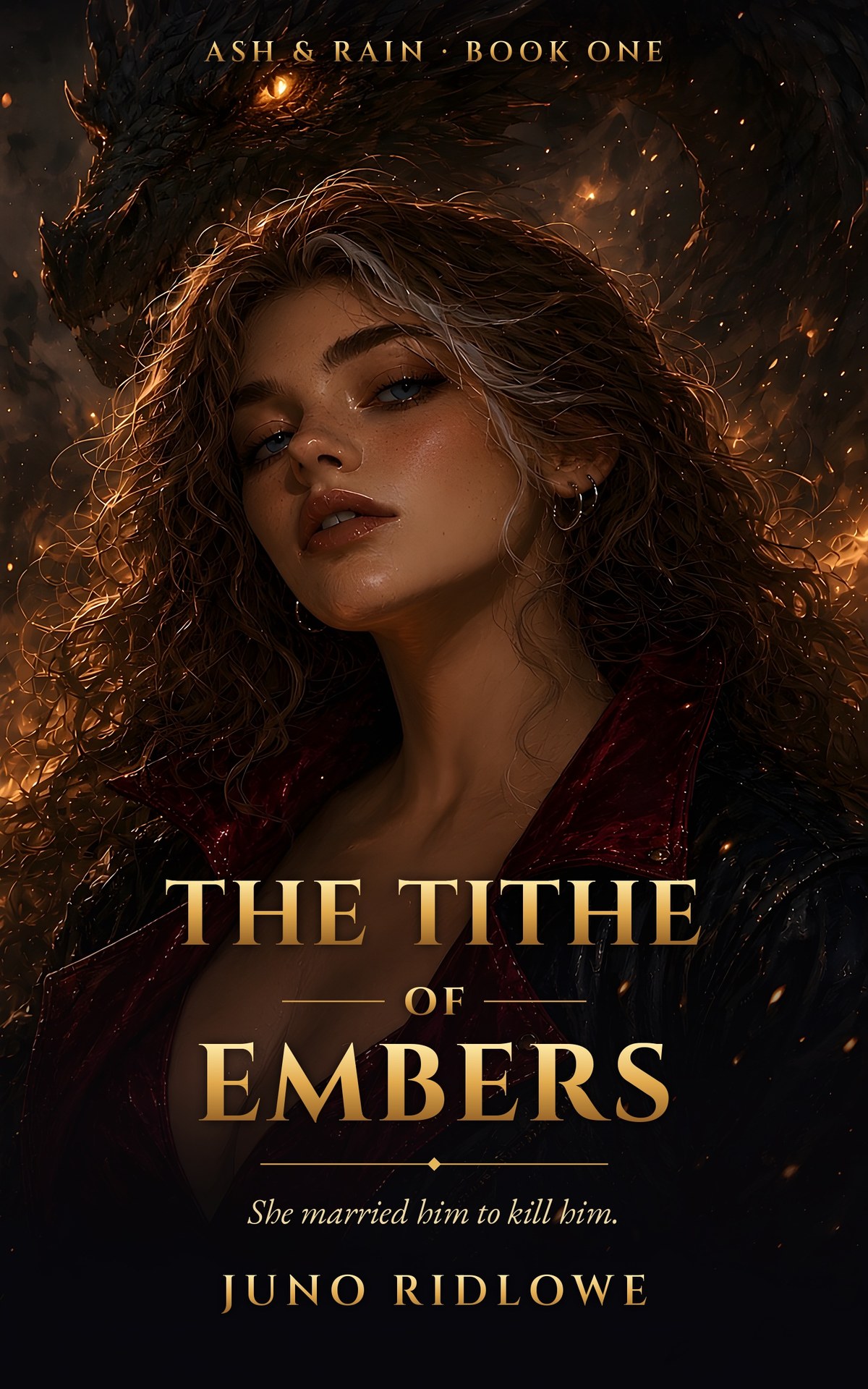
Read the Book 1 content note (The Tithe of Embers; mentions some plot elements)
Content note. The Tithe of Embers is an adult fantasy romance for readers 18+. It contains explicit, on-page consensual sexual content between adults; violence, including death by fire and drowning; execution of a parent (past); childhood sexual, physical and emotional abuse (referenced, never depicted); suicide of a historical character (referenced); a character’s longing for death (suicidal ideation); human trafficking (referenced); coerced political marriage (the marriage is coerced; all sexual intimacy is fully consensual); captivity; the death of a teenage character (poisoning); and mass-casualty disaster. Please take care of yourself while reading.
Read the content note for The Last True Line (The Wardlight Saga, Book 1; mentions some plot elements)
Trigger warning. This book contains open-door sexual content (consensual, with spoken boundaries; negotiated dominance and submission with aftercare and safewords); peril and violence, including near-drowning, storm flooding, a building fire and a crushing injury; children in danger during a flood and a threat to a child; institutional blame and gaslighting; grief for a dead mentor and a past disaster in which many people drowned (offstage, remembered); a character’s disfigurement and loss of sensation from magic; forced and bought bodily labor (described, not shown as romance); a brief imprisonment; a deliberate cut to a character’s wrist with a scalpel, made as a commitment and not as a suicide attempt; and, in the last third, a serious boundary failure between the leads, which the book treats as harm and answers with an apology and repair on the page. There is no sexual violence, no infidelity, no love triangle, and a settled happy ending.
Read the content note for The Point Pleasant Directive (Dead Letter Unit, Book 1; mentions some plot elements)
Trigger warning. Before you begin: this book contains the death of a night watchman (discovered, not shown) and the on-page aftermath of two killings, one a fall staged to look like an accident and one a man found dead in a church storefront. It also contains a violent attack on a sheriff’s car with a child inside (the child is unharmed); a sheriff run off the road and injured; fistfights and a struggle with a tire iron; firearms drawn but almost never fired; a toxic-chemical barge emergency on a river, with no deaths; references to a past heroin overdose, a murdered police informant, a suicide attempt, and a mine-collapse death in a family’s past; references to the real 1967 Silver Bridge collapse as a community’s grief (no victims depicted or named); a church that uses grief and psychological conditioning on vulnerable people; nosebleeds and frostbite; drinking and smoking; and the painful, peaceful death of a very old man. A case file briefly mentions livestock losses. There is no sexual content and no sexual violence, and no animal is harmed on the page.
Read the content note for Dead Man’s Silver (Black Flag Rising, Book 1; mentions some plot elements)
Trigger warning. This book contains: death of a parent (hero’s father murdered and staged as a drowning; heroine’s father murdered and staged as a suicide; discoveries and grief on the page); violence and combat (sword, pistol and cannon fighting, boarding actions, some injury detail; the hero kills a man for the first time); execution (a villain is tried and hanged by the people he enslaved; hanging itself off the page); captivity and slavery (the hero is sold into forced labour and chained aboard a Spanish ship; enslaved people and the Atlantic slave trade shown as they were; brutality mostly off the page); flogging and judicial cruelty (the heroine is publicly whipped after she is disbelieved; false imprisonment and a rigged inquest); indentured servitude; disaster and mass death (the 1715 hurricane and the wreck of the fleet); explicit consensual sex between the leads (no sexual violence, no dubious consent); period attitudes (class, gender, racial and religious prejudices of 1713–1716; the story does not endorse them); alcohol, period medicine, mentions of disease, and profanity.